In poorer economies which cannot provide social security or unemployment benefits Covid-19 has had disproportionate negative effects on women. In Zimbabwe the Covid-19 pandemic has worsened and recent statistics confirm this claim. Economic And Social Impacts Of Covid 19 In Cuba Policy Options Spanish Green Growth Knowledge Platform Posted 17 Jul 2020 Originally. Socio-economic impact of covid-19 in zimbabwe . As of Wednesday the cumulative number of cases was 24 256. This report is an analysis of the impact of COVID-19 on socio-economic development patterns in Southern Africa where as of 27 May 2020 over 800000 regional citizens had been tested in the eleven member States covered by the Sub regional Office in Southern Africa. The Zimbabwe Peace Project commissioned a research study to establish the manner and extent to which socio-economic rights were impacted on by the COVID-19 pandemic. As at 27 March 2020 the Ministry of Health and Child Carannouncede that out of the 1...
COVID-19 was first recognized toward the end of last year as a group of pneumonia cases brought about by another coronavirus. E aim of this study is to report and discuss the impact of the COVID-19 pandemic the year of 2020 on the prevalence of common respiratory viruses among hospitalized children with LRTI in Shanghai China and to compare it with prevalence patterns in the year of 2019 before COVID-19 pandemic.
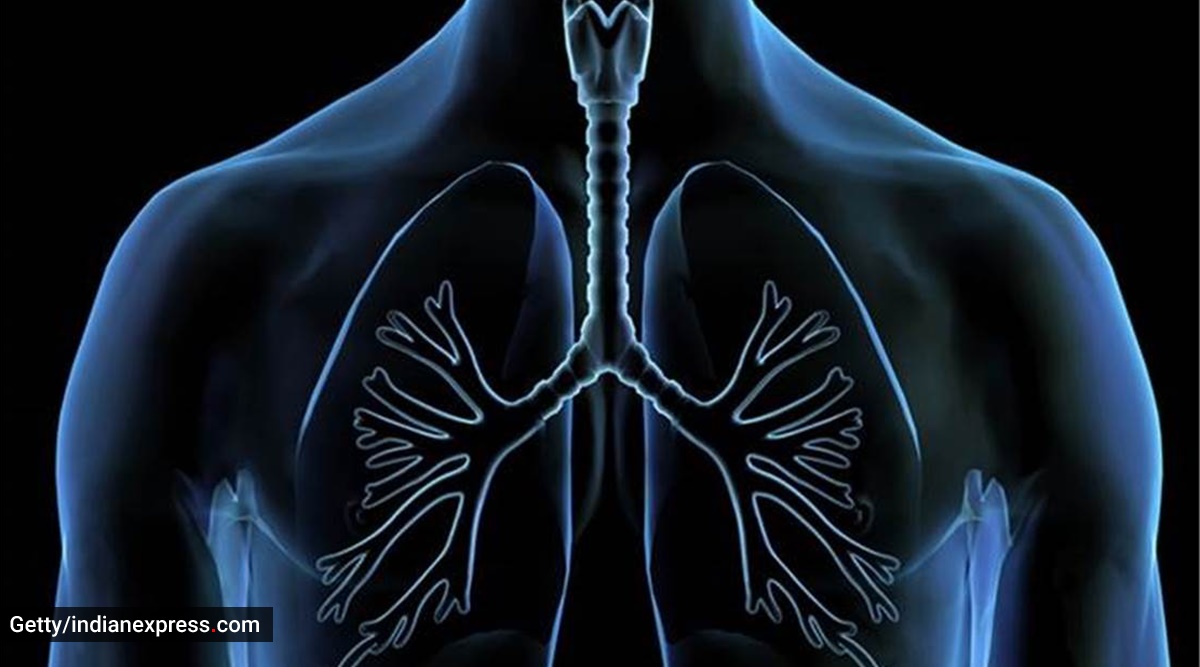
Most Lungs Recover Well After Covid 19 Says Study Lifestyle News The Indian Express
The mixed infections were significantly less frequent in 2020 compared with the year of 2019.

Can COVID-19 affect the respiratory tract?. Covid-19 is a respiratory disease meaning it impacts the lungs nose throat and other parts of the respiratory tract. COVID-19 can cause lung complications such as pneumonia and in the most severe cases acute respiratory distress syndrome or ARDS. From nine people admitted to hospital following contact tracing as part of a cluster of COVID-19 cases in Germany has shown the importance of replication in the nose for the early spread of.
COVID-19 appears to be approximately 10 times deadlier than the flu. T cell responses are critical for viral clearance and antibody responses directed against respiratory viruses can protect against re-infection although reinfection occurs over the course of a lifetime with many respiratory viruses. However studies have shown the SARS-CoV-2 coronavirus can impact other.
How does COVID-19 affect the respiratory tract. COVID-19 can cause respiratory tract infection. Since December 2019 an outbreak of coronavirus disease COVID-19 caused by severe acute respiratory syndrome coronavirus 2 SARS-CoV-2 has been spreading globally 1.
In some cases of COVID-19 gastrointestinal issues may even arise before the respiratory tract is affected. The NPIs during the COVID-19 pandemic have great impact on the prevalence of common respiratory viruses in China. Coronavirus disease 2019 COVID-19 is an infectious disease caused by a coronavirus known as the severe acute respiratory syndrome coronavirus 2 SARS-CoV-2.
The Respiratory Extracorporeal Membrane Oxygenation Survival Prediction RESP score developed based on a study of 2355 adult patients with severe acute respiratory failure treated by ECMO from 2000 to 2012 predicts survival in adults receiving ECMO for respiratory failure and may help in the selection of COVID-19 patients for ECMO treatment. Sepsis another possible complication of COVID-19 can also cause lasting harm to the lungs and other organs. Thats the airway that includes your mouth nose throat and lungs.
This virus causes the coronavirus disease 2019 COVID-19. COVID-19 can cause a scope of breathing issues from mellow to basic. It has been hypothesised that vitamin D may have a role in the bodys immune response to respiratory viruses.
Meanwhile we do need to be cautious of a possible resurgence of some respiratory viruses as the COVID-19 restrictions are relaxed. COVID-19 is associated with acute and lethal pneumonia causing the severe acute respiratory syndrome SARS which is not confined to the respiratory tract as demonstrated by clinical evidence of the involvement of multiple organs including the central nervous system CNS. The virus moves down your respiratory tract.
COVID-19 can affect both the upper and lower respiratory tract. In December 2019 a novel coronavirus CoV epidemic caused by the severe acute respiratory syndrome coronavirus 2 SARS-CoV-2 emerged from China. People who contract the virus face a far greater risk of fatality than those.
COVID-19 pandemic in China. Specialists have since discovered that its a respiratory illness one that particularly ventures into your respiratory lot which incorporates your lungs. These illnesses can range from mild colds to serious lower respiratory tract infections such as bronchitis and pneumonia.
Since then there have been anecdotal reports of ocular infection. COVID-19 can cause a range of breathing problems from mild to critical. Respiratory infections such as COVID-19 start in the upper respiratory tract and in serious cases can move into the lower respiratory tract.
Breathing exercises to keep your lungs healthy Exercise can improve lung capacity and ward off. COVID-19 refers to the respiratory illness caused by SARS-CoV-2 a zoonotic coronavirus that emerged in China in 2019 and has rapidly spread around the world in a. In this context we hy.
Your lower airways have more ACE2 receptors than the rest of your respiratory. On January 25 2020 a passenger disembarked a cruise ship in Hong Kong and on February 1 tested positive for SARS-CoV-2 2. COVID-19 is a respiratory disease one that especially reaches into your respiratory tract which includes your lungs.
The ocular implications of human CoV infections have not been widely studied. Respiratory infections are among the most common diseases that affect humans.
From Throat To Lungs And Blood How Coronavirus Impacts The Human Body Latest News India Hindustan Times

Disease And Conditions Covid 19 Primal Pictures
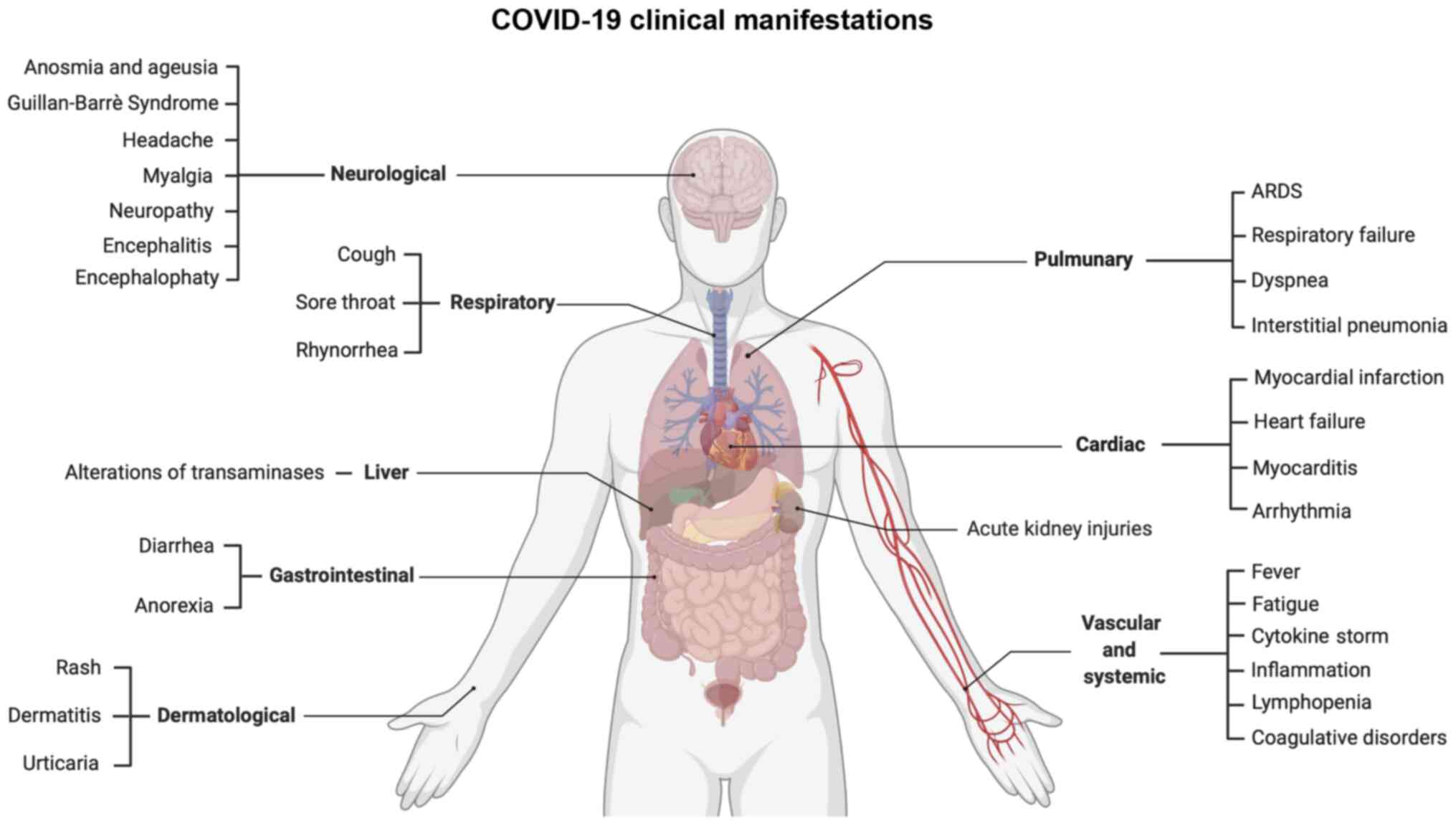
Current And Innovative Methods For The Diagnosis Of Covid 19 Infection Review
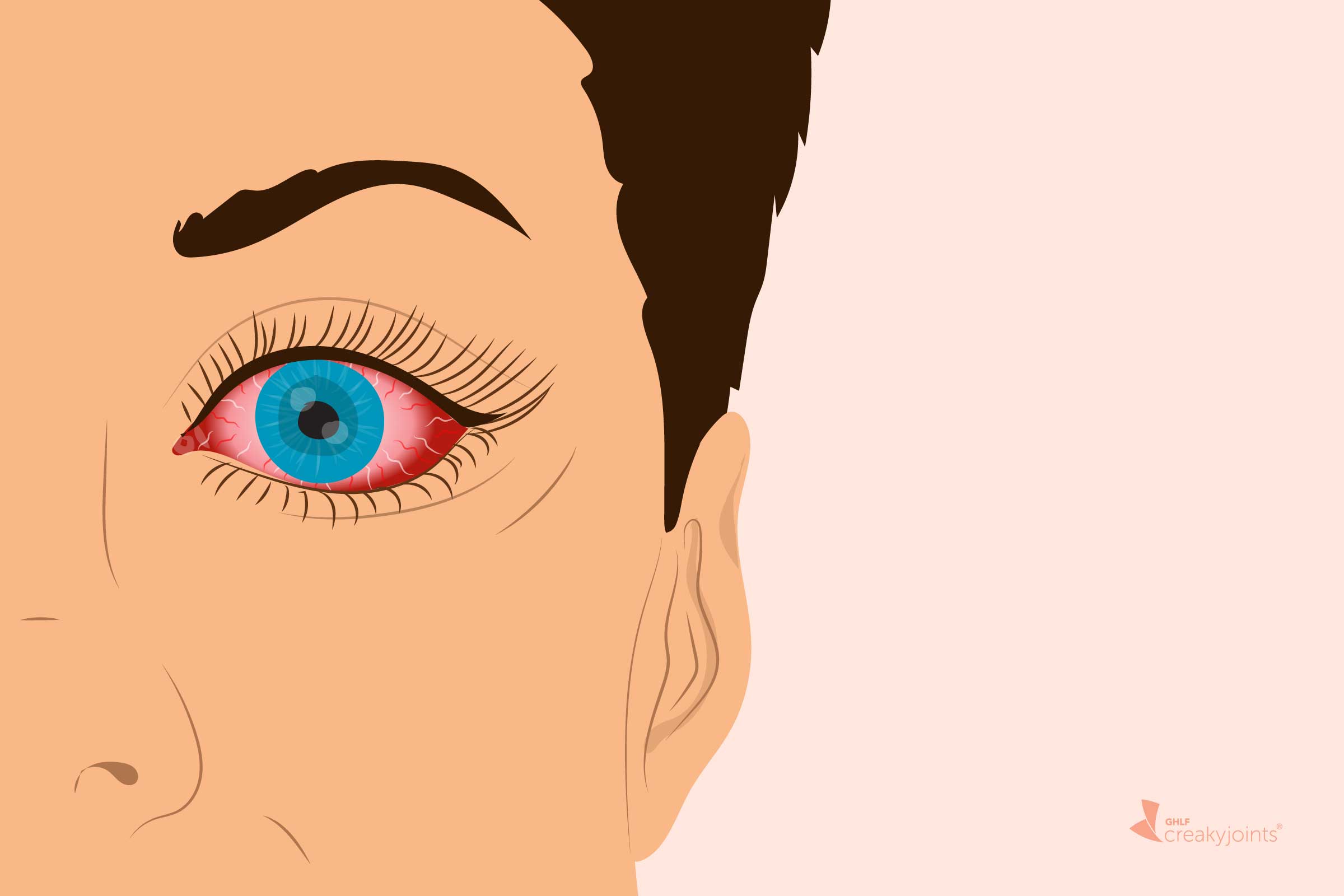
How Covid 19 Can Affect Your Eyes

Understanding Covid 19 As A Vascular Disease Breakthroughs
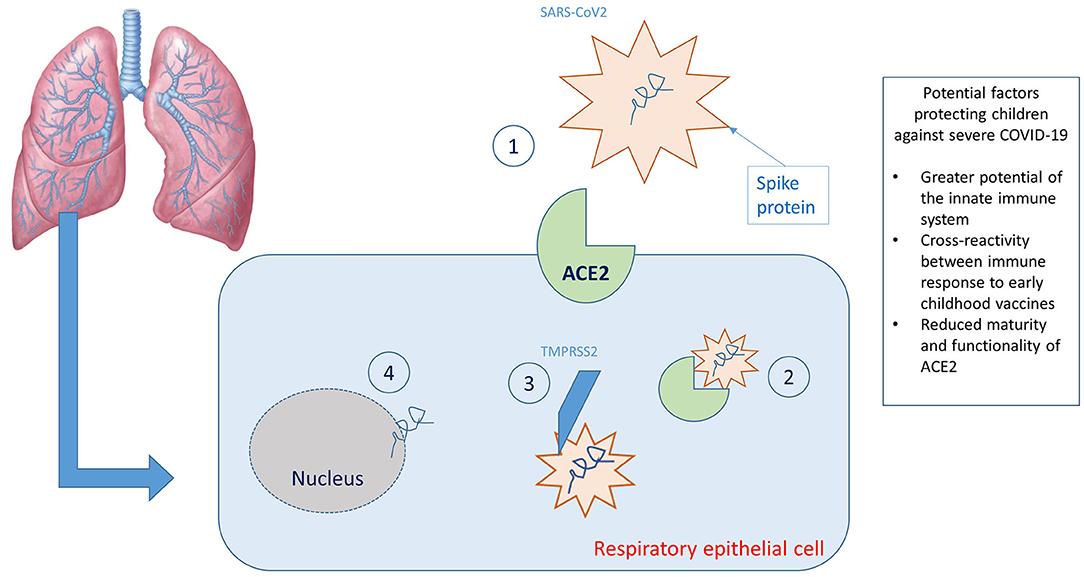
Frontiers Covid 19 Pneumonia In Children From Etiology To Management Pediatrics

Study Finds Immune Flaws In Covid 19 Patients With Lung Failure
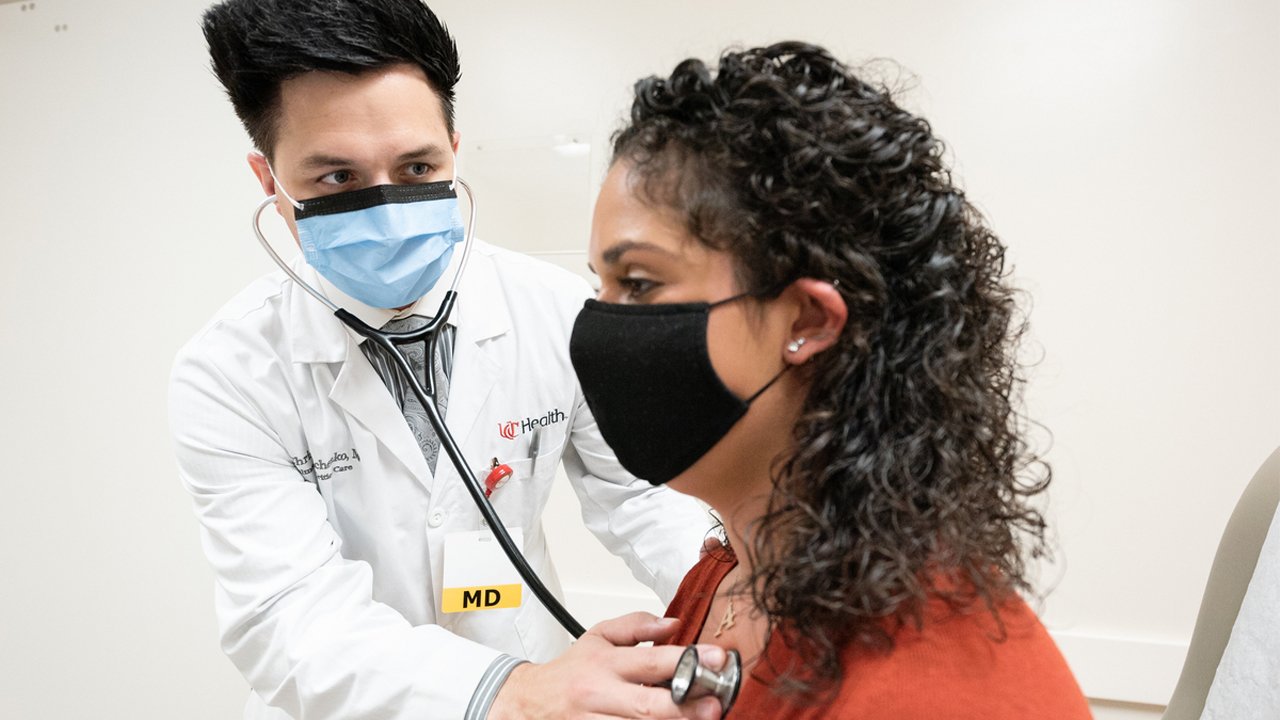
Short Long Term Effects Of Covid 19 On The Lungs
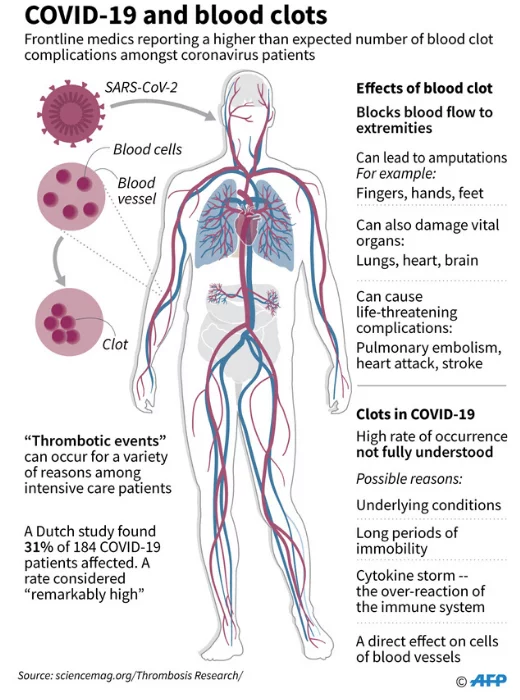
How Does Covid 19 Affect Your Heart Manhattan Cardiology

Improving Lung Capacity After Covid 19 Cedars Sinai
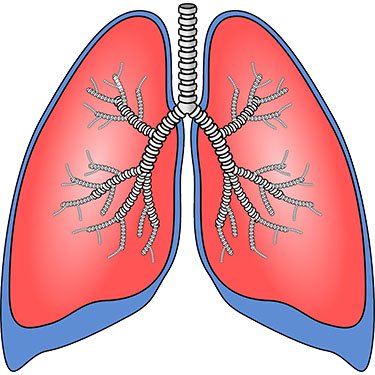
How Covid 19 Affects Your Lungs Edward Elmhurst Health
Features Evaluation And Treatment Of Coronavirus Covid 19 Article
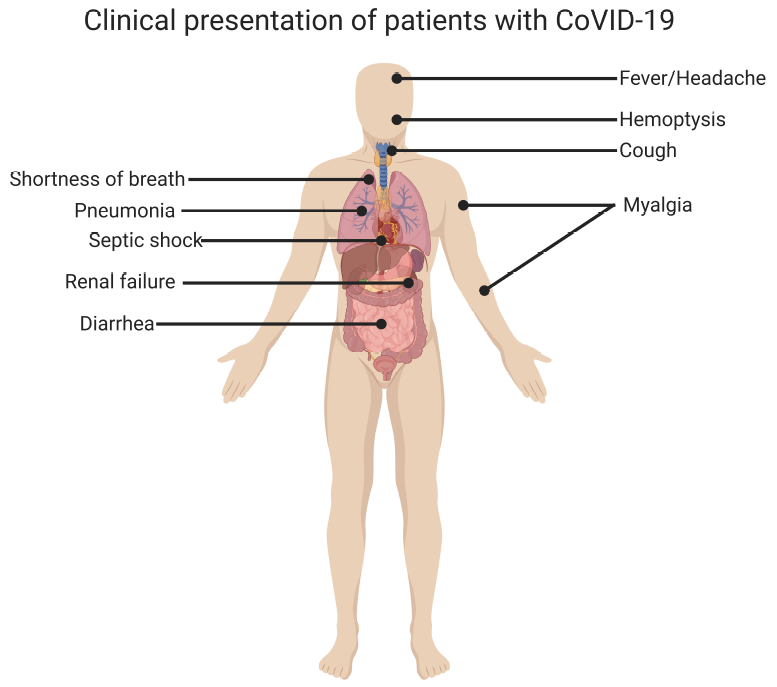
What Does Coronavirus Do To The Lungs Houston Methodist On Health
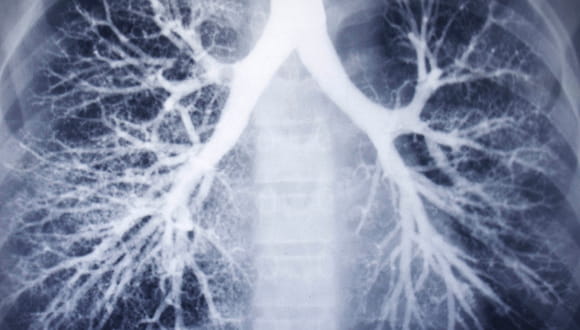

From Blood Clots To Covid Toe The Medical Mysteries Of Coronavirus Free To Read Financial Times
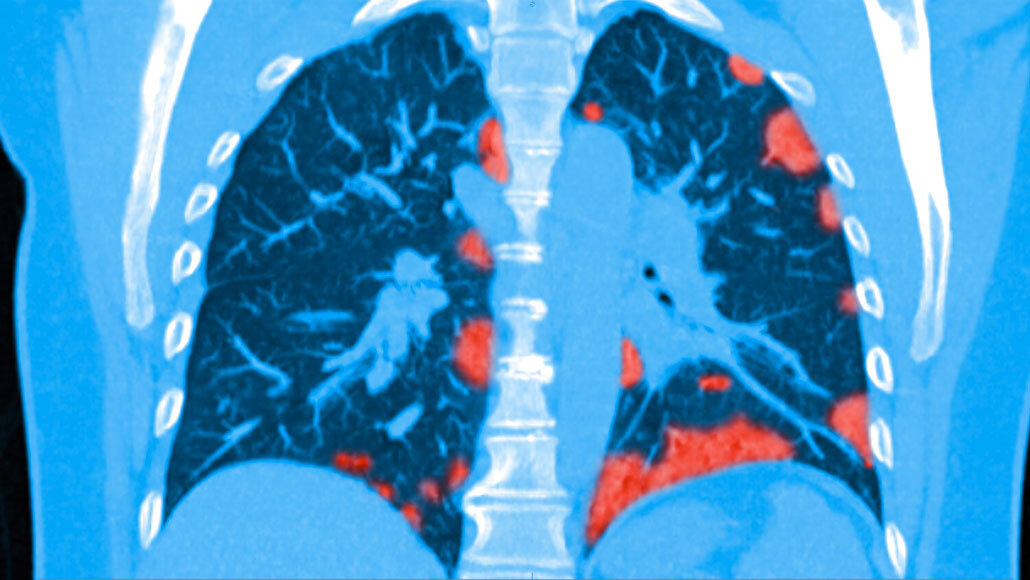
Some Patients Who Survive Covid 19 May Suffer Lasting Lung Damage Science News

How Covid 19 Affects Your Lungs Youtube

Covid 19 Tobacco Use Fact Sheet
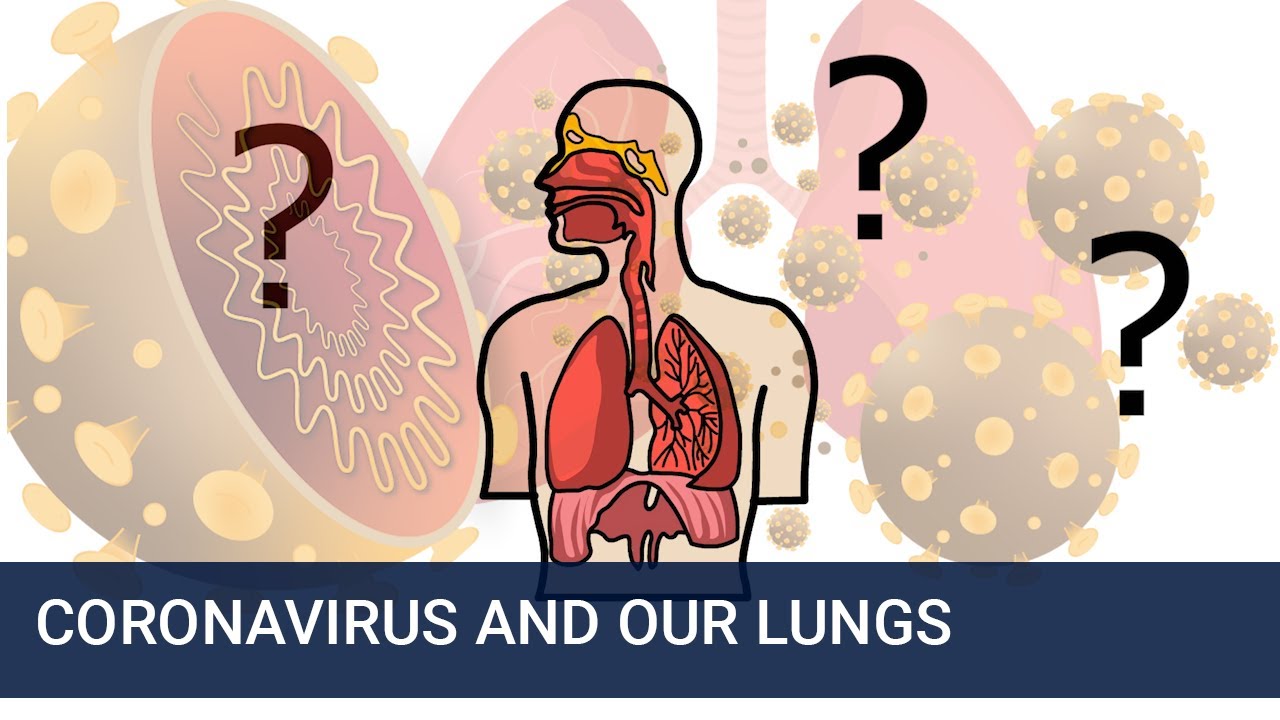
How Does Coronavirus Affect Our Lungs Youtube

Intensive Care Management Of Coronavirus Disease 2019 Covid 19 Challenges And Recommendations The Lancet Respiratory Medicine
Comments
Post a Comment